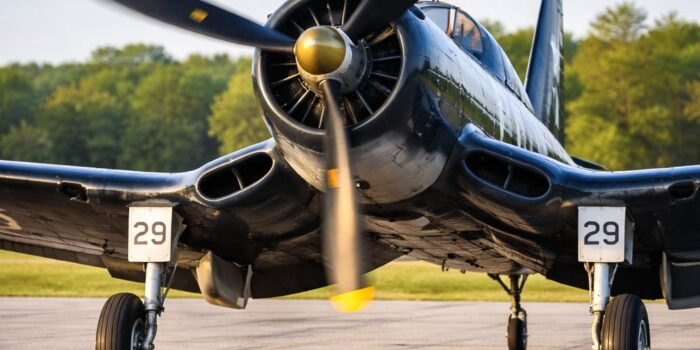
In the world of aviation, few aircraft capture the imagination quite like the Vought F4U Corsair. Known for its distinctive design and formidable performance, this aircraft carved out its place in history through both its unique features and its pivotal role in military operations. Beyond its technical specifications, the Corsair’s story is enriched by the bravery of the pilots who flew it, and the decisive impact it had on aerial warfare.
Distinctive design
The Vought F4U Corsair stands out primarily due to its unmistakable inverted gull wing design. This feature was not just an aesthetic choice ; it served a critical functional purpose. The inverted gull wing allowed the aircraft to accommodate a larger propeller while maintaining shorter landing gear. This design innovation helped the Corsair achieve excellent speed and performance, setting it apart from other aircraft of its time. Pilots appreciated the enhanced line of sight the design afforded during critical phases of flight, such as landing and takeoff, thereby improving operational safety.
Powerful engine performance
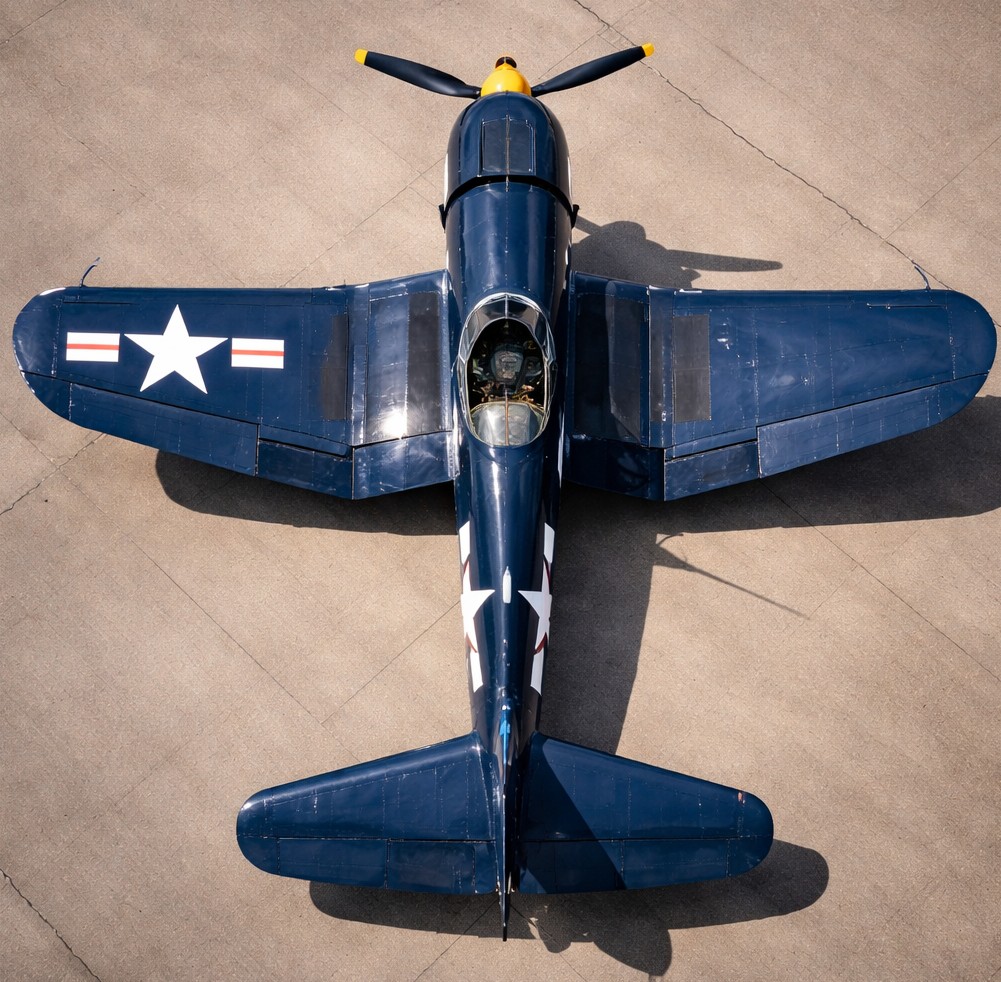 Another significant aspect of the Corsair’s uniqueness is its powerful Pratt & Whitney R-2800 Double Wasp engine. This radial engine provided the aircraft with remarkable speed and climbing capabilities, earning it the nickname “Whistling Death” among its adversaries. The engine’s power meant that the Corsair could outpace many contemporary aircraft, making it a formidable opponent in dogfights. Its ability to reach speeds exceeding 400 mph gave it a tactical edge, allowing pilots to perform complex maneuvers and evade enemy fire more effectively. This enhanced performance proved crucial in missions requiring quick response and high speed.
Role in the Pacific Theater
During World War II, the F4U Corsair played a vital role in the Pacific Theater. Its ability to operate from both land bases and aircraft carriers made it highly versatile. The Corsair was instrumental in several key battles, providing air support for ground troops and engaging enemy aircraft. Its ruggedness and adaptability contributed significantly to the success of Allied forces in the Pacific. For example, during the Battle of Guadalcanal, Corsairs were pivotal in establishing air superiority, directly impacting the outcome of the conflict. Such engagements underscored their strategic importance.
Carrier compatibility challenges
Despite its impressive capabilities, the Corsair faced initial challenges with carrier compatibility. Its long nose and high landing speed made carrier landings difficult for inexperienced pilots. However, modifications such as the addition of stall strips and more effective landing techniques eventually resolved these issues, allowing the Corsair to become a mainstay on aircraft carriers. Training programs were intensified to familiarize pilots with these techniques, and experienced aviators shared tips and tricks for managing the Corsair’s landing characteristics, thereby increasing safety and effectiveness in operations.
Legacy beyond World War II
The impact of the Vought F4U Corsair extends beyond World War II, as it continued to serve in the Korean War and with several other countries’ air forces around the world. Its reputation for durability and effectiveness ensured that it remained in service long after many other World War II aircraft were retired. The Corsair was not only a tool of war but also a symbol of technological advancement, inspiring future generations of aerospace engineers. The Corsair’s legacy is also cemented by its appearances in various films and TV series, keeping its iconic silhouette and prowess alive in popular culture.
The Vought F4U Corsair is more than just a piece of aviation history ; it is a testament to innovation and resilience. Its distinctive design, powerful engine, and significant contributions to military aviation make it a symbol of aerial excellence. This aircraft’s journey from initial challenges to becoming a celebrated warbird underscores its enduring allure and significance. It serves as a powerful reminder of the creativity and determination required to push the boundaries of what is possible in aviation. Whether through its combat achievements or its influence on future aircraft design, the Corsair remains a celebrated chapter in the annals of aeronautical history.
