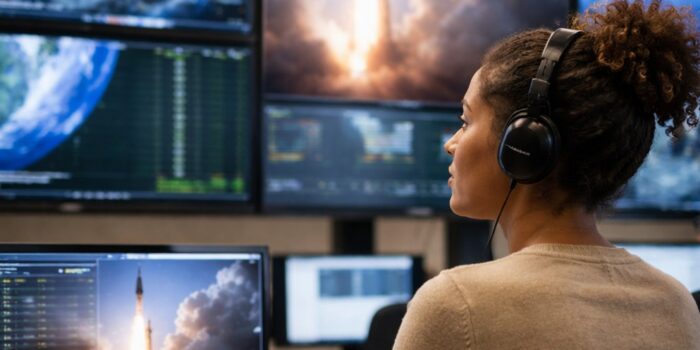
Imagine sitting in your living room, yet feeling as though you’re traveling across the cosmos alongside NASA’s pioneering missions. This is not a scene from a science fiction movie but a reality accessible through the live streaming of NASA’s captivating missions and their stunning visual displays. Live streaming offers a dynamic window into the heart of space exploration, enabling us to witness history as it unfolds.
Pourquoi le live streaming transforme l’expérience
The sheer immediacy and intimacy of live streaming have transformed how we engage with NASA’s missions. From launches to landings, and everything in between, live streaming bridges the gap between Earth and the cosmos, offering a front-row seat to the universe’s most extraordinary events. These live streams provide real-time access to data and visual imagery that was previously available only to scientists and engineers, democratizing space exploration for enthusiasts worldwide.
Se préparer pour un voyage numérique
To make the most of your live streaming experience, it’s crucial to prepare adequately. Ensure you have a reliable internet connection and a device that can support high-definition video. Whether you choose to watch on a desktop, laptop, tablet, or smartphone, the quality of your device’s display will greatly influence your experience. For an immersive viewing experience, consider using a larger screen or even a projector to truly appreciate the grandeur of space.
Embracing the educational potential
 Beyond entertainment, live streams of NASA missions serve as a powerful educational tool. Schools, universities, and educational institutions can leverage these streams to inspire students and cultivate a passion for science, technology, engineering, and mathematics (STEM). Watching real-time data and seeing missions unfold can spark curiosity and ignite aspirations among budding scientists and engineers. Incorporating live streaming into curriculums can bring lessons to life, providing context and relevance to textbook theories.
Interagir et participer à la communauté spatiale
One of the most fascinating aspects of live streaming NASA missions is the ability to interact with a global community of space enthusiasts. Platforms hosting these streams often feature chat functions where viewers can discuss missions, share insights, and pose questions. This interactive component allows for community building and fosters a sense of shared experience. Engaging with others who share your interest in space can lead to stimulating discussions and provide a broader understanding of the mission and its objectives.
Les affichages visuels : plus qu’une simple image
NASA’s visual displays accompanying their live streams are nothing short of breathtaking. High-definition footage, satellite imagery, and computer-generated simulations offer a visual feast for viewers. These displays enhance the live streaming experience by providing context and clarity to the mission’s objectives and progress. The imagery is not just aesthetically pleasing but also serves an informative purpose, helping viewers understand complex space phenomena in easily digestible formats.
Se tenir au courant des horaires des missions
To ensure you don’t miss any crucial moments, it’s essential to keep track of NASA’s mission schedules. While some launches and events are planned months in advance, last-minute changes due to technical adjustments or weather conditions are not uncommon. Subscribing to alerts or following NASA’s official channels can help you stay informed of any schedule changes, ensuring you catch every significant moment as it happens.
Harnessing the power of live streaming to witness NASA’s missions is about more than just watching rockets launch or missions achieve their goals. It’s about being part of a larger narrative that transcends boundaries and unites humanity in its quest for knowledge and discovery. Each stream is a chapter in the unfolding story of human exploration, and being able to experience these events live adds a layer of depth and connection that is truly unparalleled.
